Cape Town CBD sits directly beneath Table Mountain, putting Greenmarket Square, the Castle of Good Hope, Bo-Kaap, Long Street, and the Cape Town International Convention Centre (CTICC) within a compact urban footprint. Most central hotels place you within 20 minutes on foot of the city's main cultural corridor - stretching from De Waterkant down through the Company's Garden to the Castle - which makes the CBD one of the most logistically efficient bases in South Africa. Whether you're arriving for business at the CTICC, planning day trips to the Winelands, or want a walkable urban home base, understanding how the district actually functions day-to-day will save you both time and money.
What It's Like Staying In Cape Town CBD
The CBD compresses an enormous amount of activity into a tight grid - Long Street and Bree Street run parallel through its core, lined with cafés, galleries, bars, and restaurants that are walkable from most central hotels. The Foreshore and Convention Square area quiets down significantly after 8 pm, while Long Street stays active well past midnight, meaning your specific block matters more than the district name. Transport links are strong: the City Sightseeing Red Bus covers around 40 stops, MyCiTi bus routes run through the Civic Centre hub, and Uber is widely used for night travel when walking is not advisable on poorly lit side streets.
Pros:
- * Direct walking access to Greenmarket Square, the Company's Garden, Bo-Kaap, and the CTICC from most hotel locations
- * Strong public transport coverage - MyCiTi buses and the City Sightseeing Red Bus reduce the need for a rental car entirely
- * Broad hotel category spread from self-catering aparthotels to full-service hotels, at multiple price points in the same compact zone
Cons:
- * Some CBD side streets require vigilance after dark - Uber is the practical default for evening movement beyond the main nightlife corridors
- * Noise from Long Street bars and early-morning delivery traffic affects hotels on or near the strip, especially in lower room categories
- * The V&A Waterfront, Camps Bay, and Clifton beaches are not walkable - all require a car, shuttle, or Uber of at least 15 minutes
Why Choose Central Hotels In Cape Town CBD
Central hotels in the CBD offer a range of options that simply do not exist in Cape Town's quieter residential neighbourhoods - full-service hotels with pools, boutique guesthouses with Table Mountain views, self-catering aparthotels for longer stays, and international brand properties with meeting facilities, all within the same walkable zone. Self-catering and aparthotel options in the CBD run notably cheaper per night than equivalently sized hotel rooms, making them a realistic choice for stays beyond 4 nights. Rooms in CBD properties tend to be urban-standard in size, with premium categories in heritage or boutique buildings offering more generous layouts; budget and standard rooms in chain hotels are typically compact, prioritising location over space.
Pros:
- * CTICC is under 1.5 km from most CBD properties, making the area the default choice for conference and business travellers
- * Self-catering aparthotels offer kitchenettes or full kitchens, reducing daily food costs significantly on longer stays
- * Heritage buildings and boutique properties in the Gardens and De Waterkant fringes deliver architectural character not found in outer suburbs
Cons:
- * Central hotel parking is mostly paid or garage-based - around 40% of CBD properties charge extra for on-site parking, a real consideration for road-trippers
- * Pool and outdoor space is limited in most CBD hotels compared to beachside or winelands properties
- * Street-facing rooms in the CBD can experience consistent traffic noise; soundproofed rooms or upper-floor options should be requested at booking
Practical Booking & Area Strategy
For the best micro-location within the CBD, properties on or near Buitenkant Street, Milner Road, and the Foreshore's Convention Square place you between the cultural belt and the business district with the least noise exposure. Long Street itself offers immediacy to nightlife but requires soundproofed rooms - always confirm this before booking. The CTICC is anchored on the Lower Long Street / Heerengracht axis; hotels within a 1 km radius of that point (such as those on the Foreshore and in De Waterkant) cover both conference and leisure needs without requiring daily transport. Book at least 8 weeks ahead for December-February, when CBD hotel occupancy hits its peak and rates climb sharply; the Cape Town Jazz Festival in March creates a secondary spike. Shoulder season - September to November and March to April - delivers the most favourable rates with still-excellent weather. Within the CBD, the Company's Garden, Greenmarket Square, Bo-Kaap, the Castle of Good Hope, and St George's Mall are all reachable on foot; Table Mountain cableway is around a 10-minute drive or a longer uphill walk through the Gardens neighbourhood.
Best Value Stays
These properties deliver strong location credentials and practical amenities at the most accessible price points in the CBD - suited to travellers prioritising walkability and functionality over resort-style facilities.
-
1. Habitat Aparthotel By Totalstay
Show on map


 Check-infrom 14:00 until 23:59Check-outuntil 10:00
Just a few rooms left at the best rate!
fromR 807
-
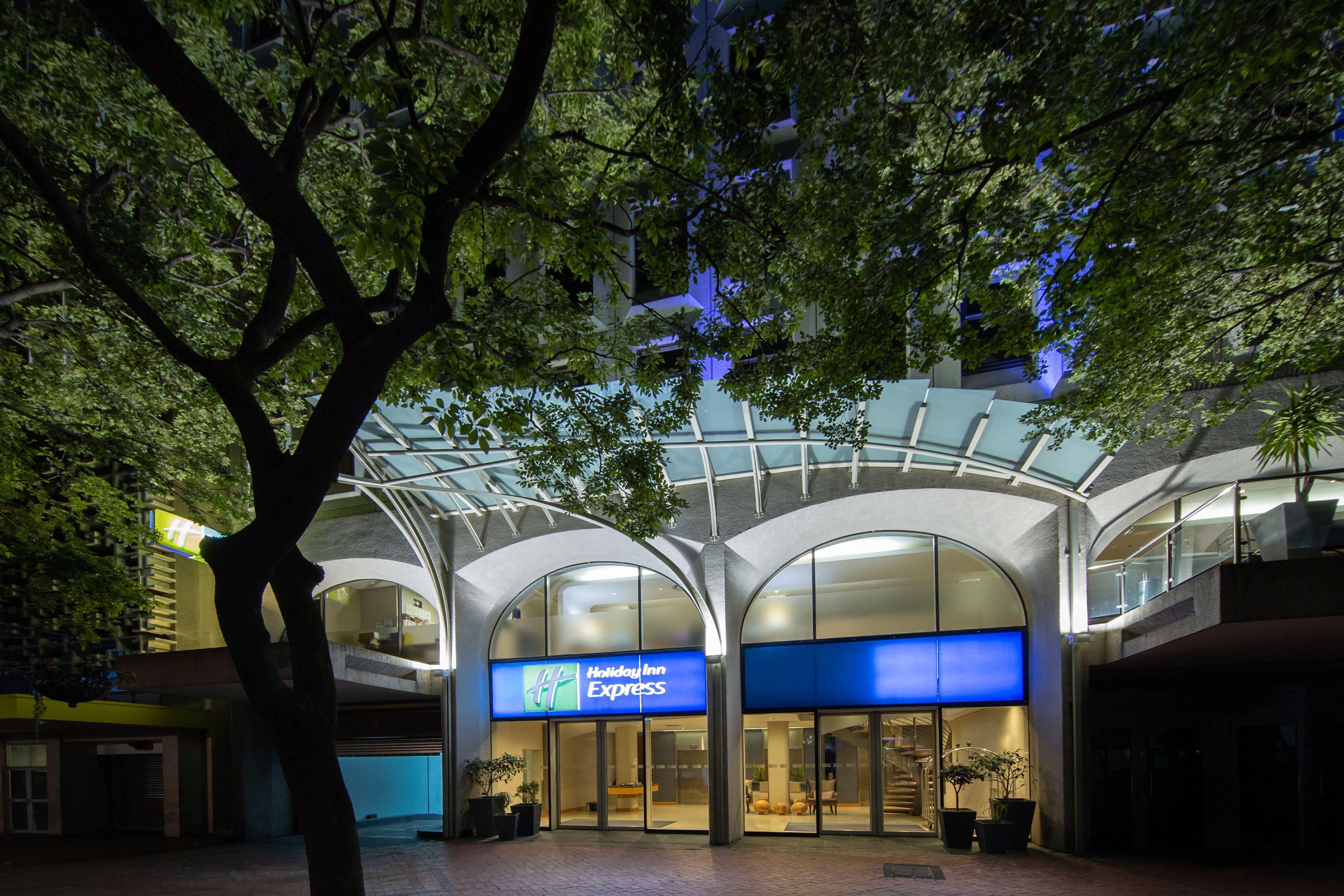
2. Holiday Inn Express Cape Town City Centre By Ihg
Show on map


 Check-infrom 14:00 until 23:59Check-outuntil 11:00
Just a few rooms left at the best rate!
fromR 1103
-
3. Cape Diamond Boutique Hotel
Show on map


 Check-infrom 14:00 until 23:30Check-outfrom 07:00 until 10:00
Just a few rooms left at the best rate!
fromR 560
-
4. Icon Serviced Apartments Foreshore
Show on map


 Check-infrom 14:00 until 17:00Check-outfrom 08:00 until 10:00
Just a few rooms left at the best rate!
fromR 691
Best Premium Stays
These properties combine stronger amenity stacks - full-service dining, spas, pools, and concierge - with heritage character or high-spec contemporary design, and are positioned in the CBD's most desirable sub-locations for both business and leisure travellers.
-
5. Welgelegen House By Return Africa
Show on map


 Check-infrom 14:00 until 23:59Check-outuntil 11:00
Hurry – almost gone at this price!
fromR 2749
-
6. Zest Boutique Hotel By The Living Journey Collection
Show on map


 Check-infrom 14:00 until 21:00Check-outfrom 05:00 until 11:00
Hurry – almost gone at this price!
fromR 3803
-
7. The Cape Milner
Show on map


 Check-infrom 14:00 until 23:59Check-outuntil 11:00
Hurry – almost gone at this price!
fromR 1152
-
4. Parker Cottage Guesthouse
Show on map


 Check-infrom 14:00 until 18:00Check-outfrom 10:00 until 11:00
Rooms filling fast – secure the best rate!
fromR 1844
-
5. Ac Hotel By Marriott Cape Town Waterfront
Show on map


 Check-infrom 15:00 until 23:59Check-outuntil 12:00
Rooms filling fast – secure the best rate!
fromR 2272
-
6. Southern Sun The Cullinan
Show on map


 Check-infrom 14:00 until 23:59Check-outuntil 11:00
Rooms filling fast – secure the best rate!
fromR 3671
Smart Travel & Timing Advice for Cape Town CBD
Cape Town's CBD runs on a clearly defined seasonal rhythm. December through February is peak season: school holidays, South African summer, and strong international tourism push CBD occupancy to its highest point of the year, with rates climbing sharply - sometimes around 40% above shoulder-season prices for the same room category. The Cape Town International Jazz Festival, held annually in March, creates a secondary demand spike that catches many visitors off guard; central hotels sell out weeks in advance for that weekend. Shoulder season - September to November and March to April - delivers consistently good weather, lower rates, and more availability across all CBD property types. For stays during December-February or Jazz Festival weekend, book at least 8 weeks in advance; for shoulder-season visits, a 3-4 week lead time is usually sufficient. Most itineraries in the CBD work well at 3 to 4 nights - enough time to cover the walkable cultural core and use the CBD as a launchpad for day trips to the Winelands, Cape Point, or Hermanus. Extended stays of 5 or more nights favour the self-catering aparthotel options, where kitchenettes and washing machines make longer residency genuinely cost-effective.